I. What Are Facility Management Services?
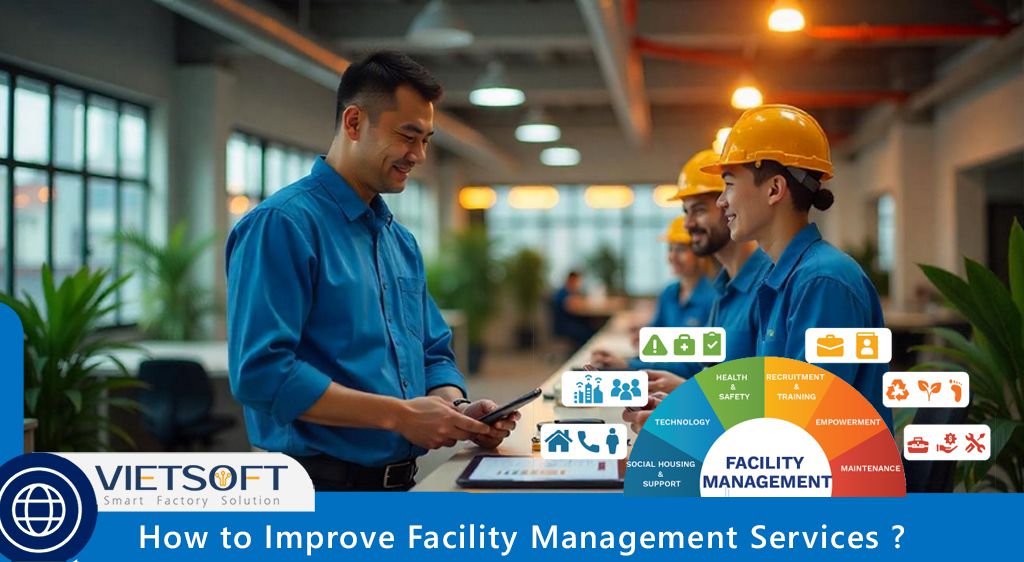
Facility management services involve the strategic coordination of a building’s physical environment to sustain its core functions. This includes overseeing HVAC systems, security measures, and staff scheduling, integrating people, processes, and technology to enhance occupant well-being and business productivity, as outlined by industry standards. From expansive manufacturing facilities to compact offices, these services ensure assets and spaces remain operational across sectors like education, healthcare, and industry in Vietnam and beyond. Facility managers act as orchestrators, managing maintenance, safety, and operational workflows with precision.
II. Why Facility Management Services Matter
The significance of facility management services resonates across multiple facets of organizational success:
- Enhancing Productivity: Functional equipment and organized spaces empower employees, with regular HVAC maintenance preventing productivity dips due to discomfort.
- Prioritizing Comfort and Safety: Routine safety audits and fire system maintenance reduce risks, fostering a secure and comfortable environment.
- Driving Profitability: Efficient resource use, such as minimizing energy waste, directly improves financial performance.
- Facilitating Scalability: Adaptive space management supports growth by accommodating new assets, relocations, or evolving work models.
- Advancing Sustainability: Eco-friendly practices, like installing LED lighting, align with global standards and lower environmental impact.
III. Real-World Applications of Facility Management Services
Facility management services shine through practical examples. Building maintenance includes routine checks on elevators, plumbing, and mechanical systems, while cleaning services maintain hygiene standards. Security protocols involve surveillance and safety drills, and utility management optimizes water and electricity costs. Emergency response plans, such as fire preparedness, highlight the proactive role of these services in sustaining facility operations, as noted in various industry insights.
IV. The Facility Management Process Explained
The facility management process is a structured framework for overseeing maintenance, security, and operations. It encompasses scheduling technician visits, managing utility contracts, and ensuring compliance with local regulations. In commercial settings, this process is tailored to diverse tenant needs, requiring meticulous planning, coordination, and execution to maintain efficiency.
V. Categories of Facility Management Services
Facility management services are split into two key domains:
- Hard Services: Focus on physical infrastructure, including HVAC upkeep, electrical systems, and renovation projects.
- Soft Services: Encompass people-focused tasks like staffing planning, custodial services, and energy management.
This dual structure ensures comprehensive coverage of both structural and operational needs, adaptable to each organization’s unique demands.
VI. Innovative Strategies to Improve Facility Management Services
Improving facility management services requires a multifaceted approach, blending technology, planning, and human resource strategies. Drawing extensively from the provided articles and my expertise, here are detailed, actionable methods to elevate performance:
1. Lower Operational Costs with Preventive Measures
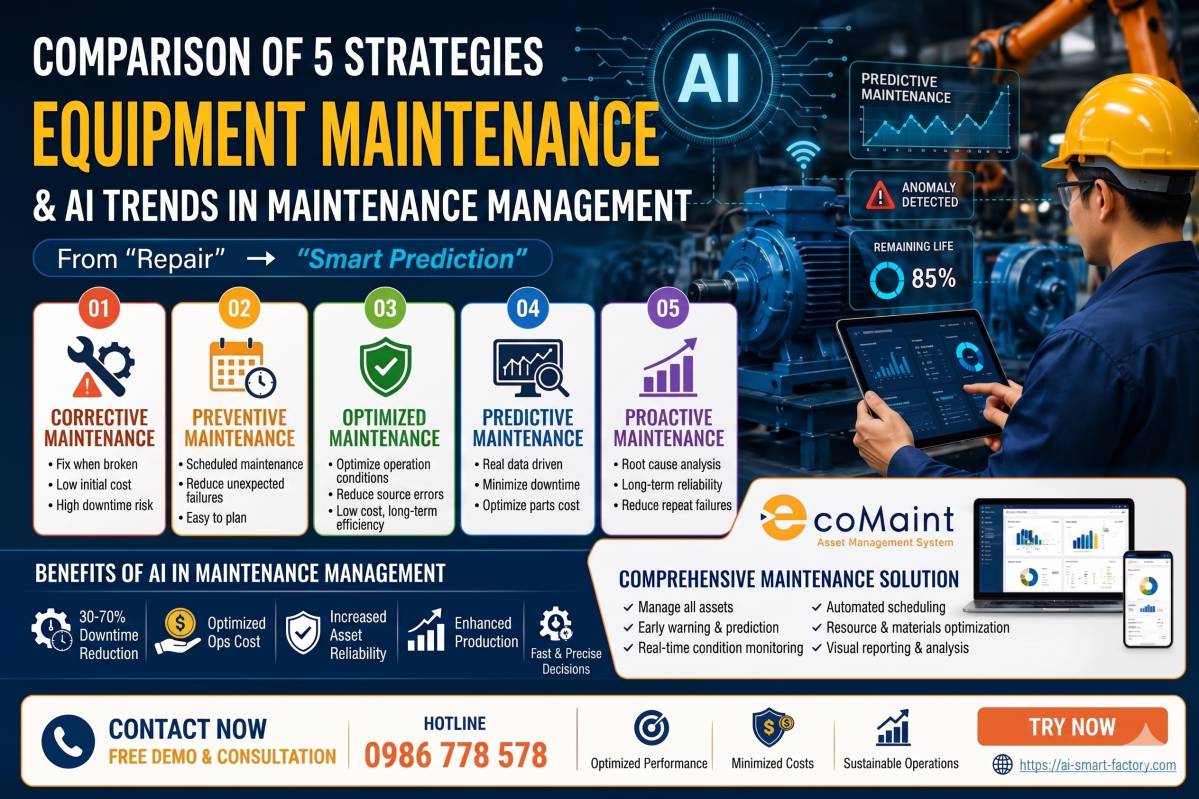
One of the core responsibilities of facility managers is to maximize asset efficiency while minimizing costs. Implementing preventive maintenance—proactive actions to extend equipment life and reduce downtime—is a proven strategy. For instance, routine inspections of wiring and motors prevent failures that could halt operations. Industry data suggests organizations can save 12-18% annually on maintenance expenses by adopting preventive maintenance plans. Utilizing IoT tools to track metrics and KPIs enables data-driven decisions, reducing reactive maintenance costs. Eco-friendly upgrades, such as LED lights and biodegradable materials, further cut expenses while enhancing sustainability.
2. Develop a Customized Facility Management Operations Plan
No two organizations are alike, making customization essential for effective facility management services. Assess your business model to prioritize needs like preventive maintenance, asset management, or workforce training. Collaborate with supervisors and consultants to design workflows that capture, track, and report critical metrics, ensuring alignment with organizational goals. This tailored approach, as highlighted in multiple sources, enhances decision-making and resource allocation, addressing unique challenges like equipment scheduling in manufacturing settings.
3. Foster Effective Communication with Stakeholders
Clear communication is vital for smooth facility operations. Engage employees across departments—technical teams, janitorial staff, and vendors—to eliminate miscommunication and encourage feedback. Regular updates on process changes or emergency repairs keep all stakeholders informed, boosting productivity and accountability. Transparent communication also strengthens vendor relationships, facilitating cost-effective procurement and planned maintenance, a practice emphasized in several articles for its impact on workflow efficiency.
4. Establish Clear Definitions for Work Practices
Optimizing employee performance begins with defining roles and responsibilities. Provide detailed policies on work schedules, attendance, and expectations, ensuring compliance with labor laws. Use labor attendance apps to track contractual workers, reducing confusion and enhancing accountability. This structured approach, as noted in the provided content, improves overall facility efficiency by clarifying how each role contributes to the bigger picture.
5. Invest in Employee Skill Development
The facility management industry evolves with technologies like IoT and enterprise asset management software. Evaluate your workforce’s skills and create upskilling plans to leverage these innovations. Training employees to use new tools, rather than replacing staff, fosters a proactive culture. Gathering employee feedback before tech upgrades ensures smooth adoption, a strategy that enhances facility management services by aligning technology with user needs.
6. Automate and Streamline Operations
Automation is a game-changer for facility management services. Integrate software to automate HVAC systems, lighting controls, and work orders, improving energy efficiency and task visibility. Cloud-based solutions like Truein offer real-time attendance tracking via geofencing, eliminating paperwork. This streamlining, as detailed in multiple sources, reduces costs, enhances consistency, and supports a modern, efficient workplace.
7. Centralize Facility Management Operations
Decentralized operations can lead to errors. Centralizing data with facility management software provides real-time insights into repairs, asset management, and vendor support. This digital approach, advocated in the articles, enables faster decision-making and reduces operational inefficiencies, setting a foundation for futuristic facility management services.
8. Upgrade Equipment for Better Efficiency
Keeping equipment updated is crucial. Upgrading HVAC systems with demand-based ventilation or replacing old lighting with LEDs boosts efficiency and sustainability. These upgrades, as suggested in the content, reduce energy costs and align with modern facility management best practices, offering long-term savings.
9. Implement a Robust Preventive Maintenance Plan
A well-designed preventive maintenance plan includes regular equipment inspections, cleaning, and part replacements. Scheduling based on time (e.g., biannual HVAC checks) or usage (e.g., post-production hours) prevents downtime. This strategy, detailed across multiple sources, extends asset life, improves safety, and reduces unplanned costs by catching issues early.
10. Leverage IoT Technology and Predictive Analytics
IoT sensors and predictive analytics provide data to forecast equipment failures and optimize operations. This technology, highlighted in the articles, enhances decision-making by offering insights into asset performance, reducing downtime, and improving efficiency—a critical upgrade for facility management services.
11. Enable Mobile Access for Flexibility
Mobile access to facility data via smartphones or tablets supports flexible work models. This capability, as noted in the content, allows on-site staff to address issues quickly, boosting productivity and responsiveness in facility management services.
12. Utilize Data and Analytics for Informed Decisions
Collecting and analyzing data on asset performance and maintenance history enables better resource allocation. Tools like ToolSense, mentioned in the articles, offer analytics to refine strategies, identify bottlenecks, and optimize equipment use, driving continuous improvement.
13. Build and Manage an Effective Team Structure
A well-trained team is the backbone of facility management services. Define roles, provide training, and ensure collaboration among team members. Hiring practices, such as seeking experienced candidates or partnering with maintenance companies, ensure a capable workforce, as outlined in the content.
14. Improve Space Utilization
Efficient space management, such as repurposing areas for remote work, reduces costs and enhances functionality. This practice, emphasized in the articles, supports scalability and accommodates new technologies or projects within existing footprints.
15. Manage Risks Proactively
Assessing risks like safety hazards or regulatory non-compliance allows for mitigation through data analytics and preventive planning. This proactive stance, detailed in the content, lowers risks and increases returns, strengthening facility management services.
VII. Expert Tips for Facility Managers
As a maintenance specialist, I recommend tracking KPIs like uptime and energy use to identify inefficiencies. Smart sensors can predict failures, while staff training on IoT fosters innovation. Regularly reviewing maintenance schedules ensures adaptability to changing needs, enhancing overall service quality.
VIII. Unlock Efficiency with CMMS EcoMaint
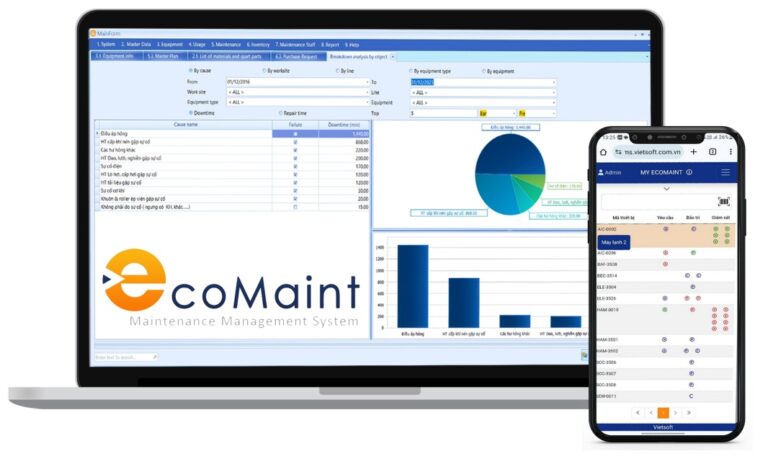
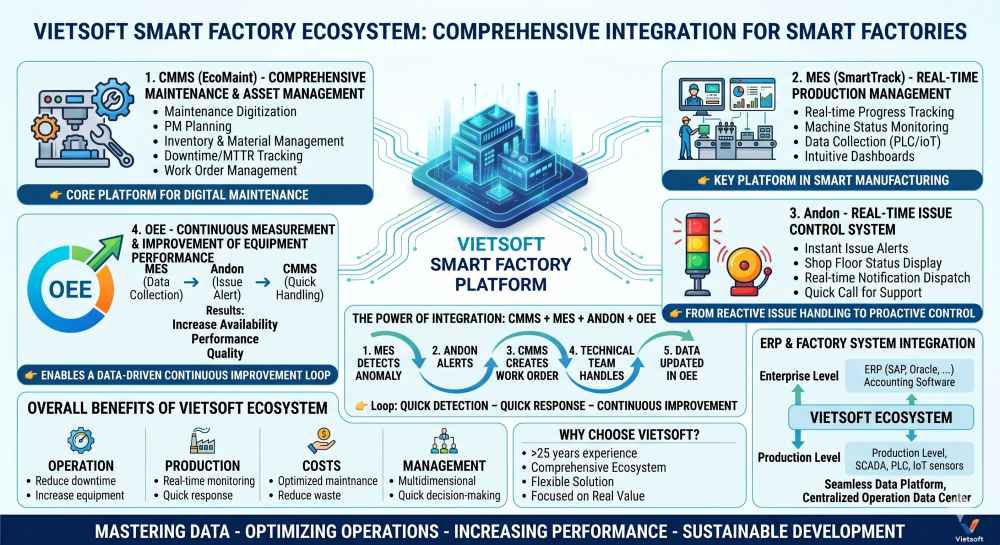
For facility managers seeking a breakthrough, consider a tailored solution. Imagine software that automates maintenance, tracks assets, and provides real-time insights, crafted for Vietnam’s unique market. Developed by Vietsoft, CMMS EcoMaint offers these advantages and more. Curious about its impact on your facility management services? Discover the CMMS EcoMaint solution here.
Contact us for consultation via hotline: 0986778578 or email: sales@vietsoft.com.vn.
IX. Final Thoughts
Facility management services are a strategic imperative, tackling challenges like the 44% downtime from aging equipment with automation, customization, and technology. By implementing these 15 strategies—drawn from extensive industry insights and practical experience—managers can elevate efficiency, safety, and sustainability. Embrace these approaches and innovative tools to transform your facility into a model of excellence.