
In today’s fast-paced industrial landscape, managing maintenance budgets effectively is critical for organizations aiming to maximize operational efficiency while minimizing costs. A Computerized Maintenance Management System (CMMS), such as Vietsoft’s EcoMaint, offers a robust solution for streamlining maintenance processes, optimizing resource allocation, and achieving significant cost savings. By leveraging advanced tools, real-time data, and automation, a CMMS empowers maintenance teams to make informed decisions, reduce downtime, and extend asset lifespans, ultimately ensuring better budgeting outcomes.
This article explores how a CMMS helps save maintenance money through improved budgeting practices. We’ll dive into the core features, practical applications, and measurable benefits of implementing a CMMS, with a focus on its role in financial planning, risk management, and operational efficiency.
I. What Is a CMMS and Why Does It Matter for Budgeting?
A Computerized Maintenance Management System (CMMS) is a software platform designed to centralize and streamline maintenance operations. It manages tasks such as work order creation, asset tracking, inventory control, and preventive maintenance scheduling. By consolidating these functions into a single system, a CMMS provides real-time insights into equipment performance, maintenance costs, and resource utilization, enabling organizations to make data-driven budgeting decisions.
For maintenance managers, a CMMS is a game-changer because it eliminates the inefficiencies of manual processes, such as paper-based records or fragmented spreadsheets. Instead of reacting to equipment failures, teams can proactively plan maintenance activities, forecast costs accurately, and allocate resources efficiently. This shift from reactive to proactive maintenance is key to understanding how a CMMS helps save maintenance money with better budgeting.
II. The Financial Impact of Poor Maintenance Strategies
Without a CMMS, organizations often rely on reactive maintenance, addressing issues only after equipment fails. This approach leads to:
- Unplanned Downtime: Sudden equipment breakdowns halt production, costing industries up to $260,000 per hour, according to industry estimates.
- Higher Repair Costs: Emergency repairs can be 30–50% more expensive than planned maintenance, as they often require expedited parts and overtime labor.
- Inventory Mismanagement: Overstocking or understocking spare parts ties up capital or causes delays, respectively.
- Shortened Asset Lifespan: Neglecting regular maintenance accelerates wear and tear, leading to premature equipment replacement.
A CMMS addresses these challenges by providing tools to anticipate maintenance needs, optimize inventory, and extend equipment life, directly contributing to cost savings.
III. Core Features of a CMMS That Drive Cost Savings
A CMMS offers a suite of features tailored to enhance budgeting and reduce maintenance expenses. Below are the key functionalities that make a CMMS indispensable for financial planning in maintenance operations.
1. Preventive Maintenance Scheduling
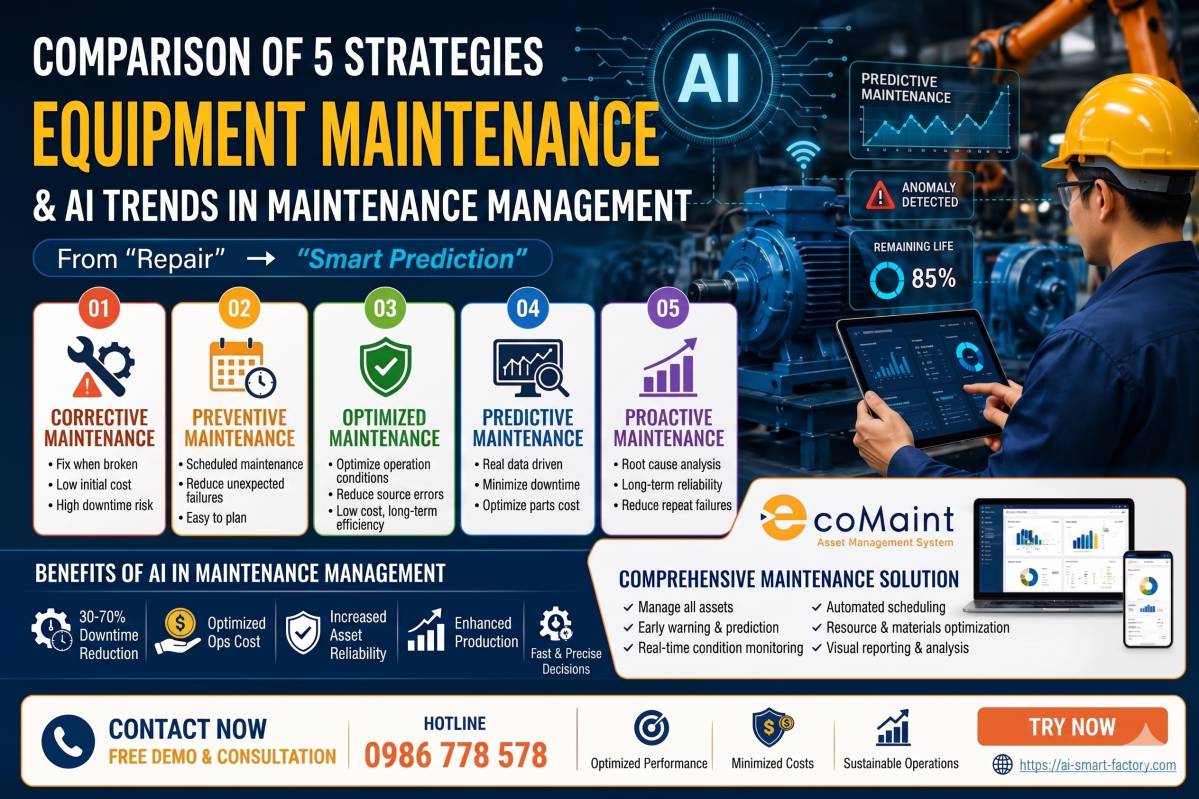
Preventive maintenance is the cornerstone of cost-effective maintenance management. A CMMS automates the scheduling of routine inspections, servicing, and repairs based on time, usage, or equipment condition. By addressing issues before they escalate, organizations can:
- Reduce Downtime: Scheduled maintenance minimizes unexpected outages, ensuring continuous operations.
- Lower Repair Costs: Early detection of wear or minor issues prevents costly breakdowns.
- Extend Asset Life: Regular care reduces wear and tear, delaying the need for expensive replacements.
2. Real-Time Cost Tracking and Budget Alerts
A CMMS provides detailed insights into maintenance expenditures, allowing managers to track costs for labor, parts, and contractor services in real time. Key benefits include:
- Accurate Budget Monitoring: Expenses are automatically recorded and categorized, ensuring transparency and accountability.
- Real-Time Alerts: The system notifies managers of budget overruns or unexpected spikes in spending, enabling quick corrective action.
- Financial Reporting: Detailed reports highlight spending patterns, helping identify areas for cost optimization.
For instance, if a maintenance team approaches its quarterly budget limit, EcoMaint’s real-time alerts allow managers to reallocate funds or adjust schedules to avoid overspending.
3. Inventory and Spare Parts Management
Effective inventory management is critical for controlling maintenance costs. A CMMS optimizes spare parts inventory by:
- Preventing Overstocking: Real-time tracking ensures organizations only order what they need, freeing up capital.
- Avoiding Shortages: Automated reorder alerts ensure critical parts are available, preventing delays.
- Streamlining Procurement: Integration with purchasing systems enables just-in-time ordering, reducing storage costs.
By maintaining optimal inventory levels, a CMMS helps save maintenance money by minimizing waste and ensuring operational continuity.
4. Work Order Automation
Manual work order management is time-consuming and prone to errors. A CMMS automates the creation, assignment, and tracking of work orders, leading to:
- Reduced Administrative Costs: Digital workflows eliminate paperwork and reduce time spent on administrative tasks.
- Improved Technician Productivity: Tasks are assigned based on availability and expertise, minimizing idle time and overtime expenses.
- Enhanced Coordination: Real-time updates improve communication between teams, ensuring tasks are completed efficiently.
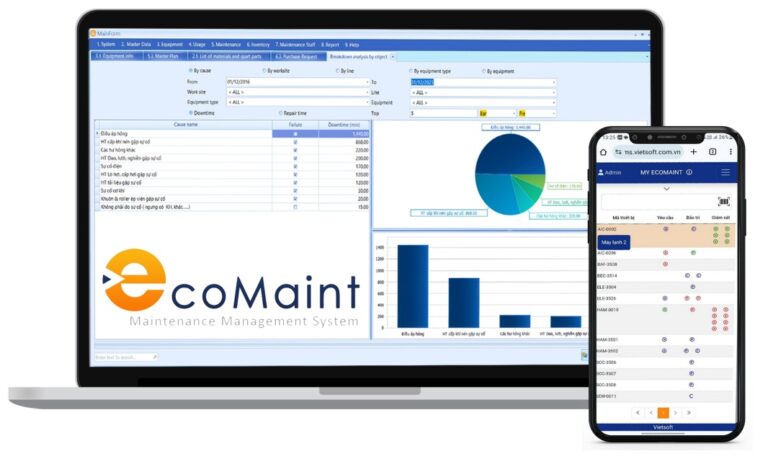
For example, CMMS mobile app allows technicians to access work orders on the go, reducing response times and boosting productivity.
5. Predictive Maintenance and IoT Integration
Modern CMMS platforms integrate with Internet of Things (IoT) sensors to enable predictive maintenance. By monitoring equipment conditions in real time, a CMMS can:
- Detect Issues Early: Sensors identify anomalies like unusual vibrations or temperature fluctuations, allowing preemptive action.
- Minimize Unplanned Downtime: Predictive maintenance reduces the likelihood of catastrophic failures.
- Optimize Maintenance Schedules: Tasks are scheduled based on actual equipment needs, avoiding unnecessary servicing.
This proactive approach significantly reduces repair costs and enhances budgeting accuracy by predicting maintenance needs with precision.
IV. How a CMMS Helps Save Maintenance Money Through Better Budgeting
A CMMS directly impacts maintenance budgets by addressing the root causes of high costs and enabling strategic financial planning. Below are the primary ways it achieves this.
1. Accurate Funding Forecasting
Forecasting maintenance costs is challenging without reliable data. A CMMS uses historical maintenance records, equipment condition data, and risk analysis to predict future expenses. This allows organizations to:
- Plan Realistic Budgets: Accurate forecasts ensure budgets align with actual maintenance needs.
- Anticipate Capital Expenditures: Data-driven insights help prioritize investments in equipment upgrades or replacements.
- Scenario Planning: Managers can simulate “what-if” scenarios to assess the impact of underfunding specific projects.
For example, a logistics company using CMMS can analyze past maintenance data for its vehicle fleet to forecast costs for the upcoming year, ensuring funds are allocated efficiently.
2. Enhanced Cost Management
A CMMS provides granular control over maintenance budgets by tracking costs at every level, from labor to spare parts. Key advantages include:
- Budget Allocation: Costs are assigned to specific accounts, ensuring funds are used where they’re needed most.
- Cost Transparency: Managers can identify areas of overspending and take corrective action.
- Lifecycle Cost Analysis: The system tracks asset depreciation and maintenance costs, aiding long-term financial planning.
By centralizing cost data, a CMMS helps organizations avoid budget overruns and optimize resource use.
3. Risk Management and Capital Prioritization
Maintenance budgets must account for risks such as equipment failure or regulatory non-compliance. A CMMS supports risk management by:
- Assessing Asset Risk: The system calculates risk indices based on equipment condition and maintenance history.
- Prioritizing Investments: Data-driven insights help allocate funds to high-risk assets, reducing the likelihood of costly failures.
- Ensuring Compliance: Detailed records support adherence to industry regulations, avoiding fines and legal costs.
For instance, a healthcare facility using a CMMS can prioritize maintenance for critical medical equipment, ensuring patient safety and regulatory compliance while staying within budget.
4. Capital Improvement Planning
A CMMS enables organizations to develop capital improvement programs by analyzing asset performance and maintenance needs. Benefits include:
- Optimized Capital Spending: The system identifies assets requiring replacement or upgrades, preventing unnecessary expenditures.
- Data-Driven Decisions: Reports on asset health and maintenance costs guide long-term investment strategies.
- Improved ROI: By extending asset lifespans, organizations reduce the frequency of capital investments.
V. Calculating the ROI of a CMMS
To quantify how a CMMS helps save maintenance money, organizations can calculate the return on investment (ROI) using the following formula:
ROI (%) = [(Net Savings from CMMS – Cost of CMMS) / Cost of CMMS] x 100
Key Metrics to Track
- Downtime Hours Avoided: Measure the reduction in unplanned outages to calculate savings from improved uptime.
- Labor Hours Saved: Track reductions in overtime and administrative time to quantify labor cost savings.
- Inventory Cost Reduction: Monitor decreases in overstocking or emergency part orders.
- Maintenance Budget Savings: Compare total maintenance spend before and after CMMS implementation.
For example, a manufacturing plant investing $10,000 in EcoMaint achieved $50,000 in savings through reduced downtime and repair costs in the first year. The ROI is:
ROI = [($50,000 – $10,000) / $10,000] x 100 = 400%
This demonstrates the significant financial impact of a CMMS.
VI. Why Vietsoft’s CMMS EcoMaint Stands Out
Vietsoft’s CMMS EcoMaint is a leading CMMS solution tailored to the needs of Vietnamese businesses, offering advanced features to optimize maintenance budgets:
- User-Friendly Interface: Simplifies adoption for maintenance teams, reducing training time.
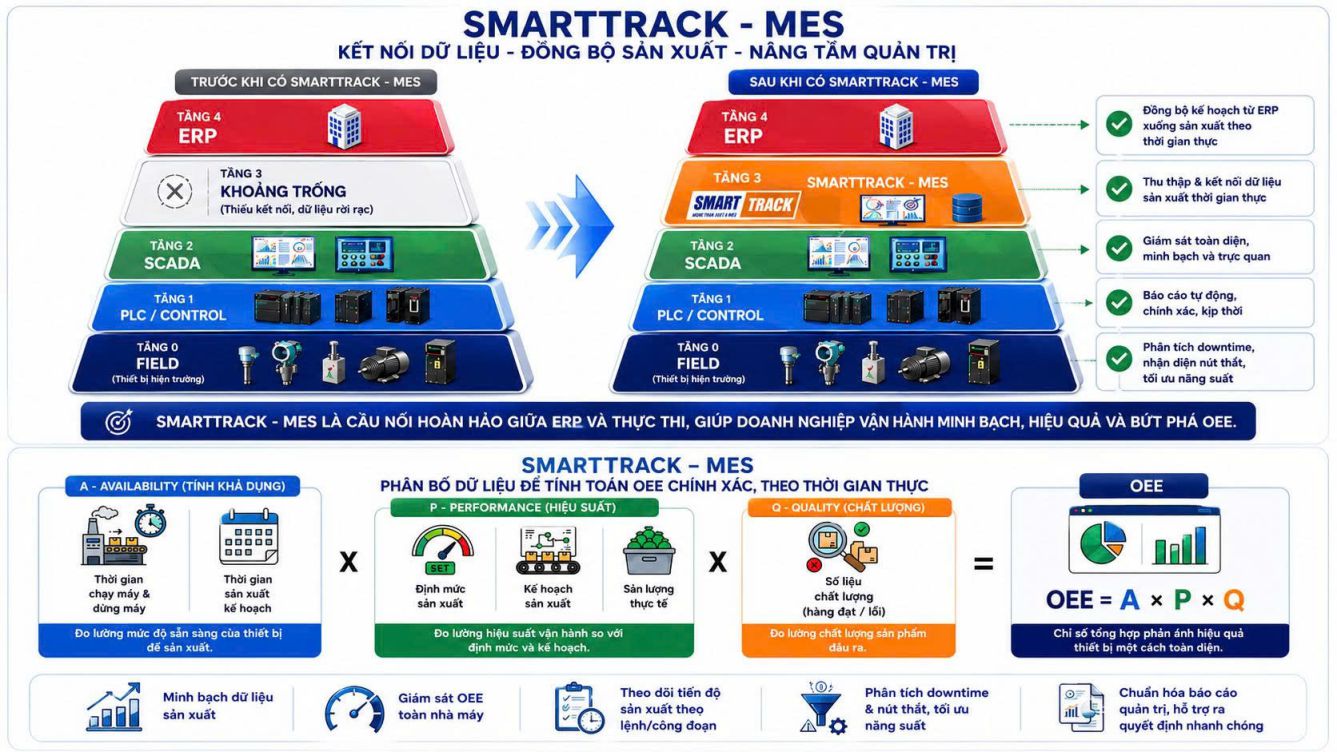
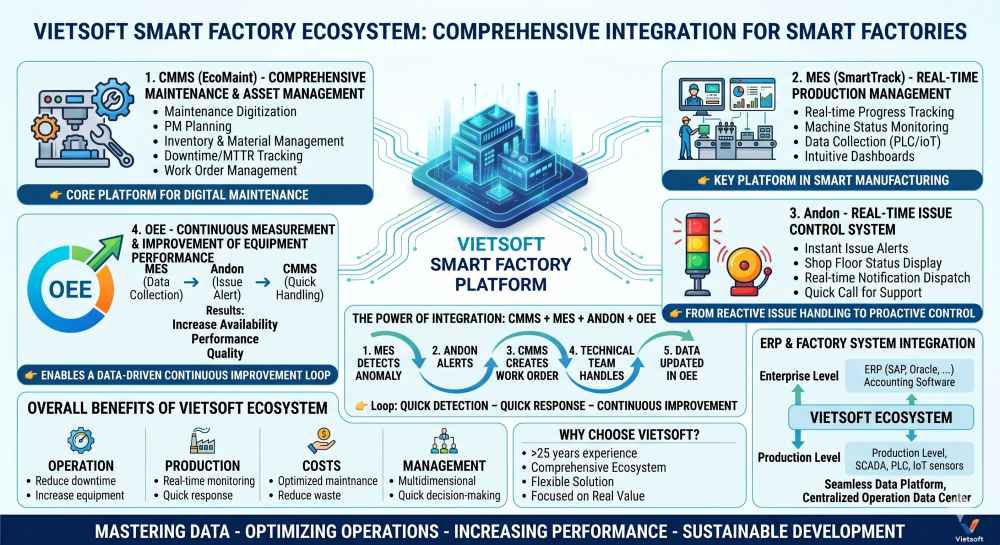
- IoT Integration: Enables predictive maintenance through real-time equipment monitoring.
- Customizable Reports: Provides actionable insights for budgeting and cost management.
- Mobile Access: Allows technicians to manage tasks on the go, improving efficiency.
- Local Support: Vietsoft’s dedicated team ensures seamless implementation and ongoing support.
By integrating EcoMaint into their operations, businesses can transform maintenance from a cost center into a strategic asset. To learn more about how EcoMaint can help your organization save maintenance money, Learn more about CMMS EcoMaint here.
Contact us for consultation via hotline: 0986778578 or email: sales@vietsoft.com.vn.
VII. Comparing CMMS with Other Maintenance Approaches
1. CMMS vs. Reactive Maintenance
Reactive maintenance, or fixing equipment only after it fails, leads to higher costs and longer downtimes. A CMMS shifts organizations to a proactive approach, reducing emergency repairs by up to 50% and improving operational reliability.
2. CMMS vs. Spreadsheets
Spreadsheets lack automation and real-time insights, leading to errors and inefficiencies. A CMMS offers scalable, centralized management, reducing administrative costs and improving decision-making.
3. CMMS vs. Enterprise Asset Management (EAM)
While EAM systems provide broader asset management capabilities, a CMMS focuses specifically on maintenance tasks. For organizations prioritizing cost-effective maintenance, a CMMS like EcoMaint is often the better choice due to its simplicity and affordability.
VIII. Key Benefits of a CMMS for Maintenance Budgeting
· Reduced Maintenance Costs: Proactive maintenance prevents costly breakdowns, saving 12–18% compared to reactive approaches.
· Improved Equipment Efficiency: Regular servicing enhances performance and reduces energy costs.
· Optimized Labor and Inventory: Automation and real-time tracking minimize overtime and inventory waste.
IX. Conclusion: Start Saving with a CMMS Today
A Computerized Maintenance Management System (CMMS) like Vietsoft’s EcoMaint is a powerful tool for saving maintenance money through better budgeting. By automating preventive maintenance, optimizing inventory, and providing real-time cost insights, a CMMS transforms maintenance into a strategic advantage. Whether you’re managing a manufacturing plant, logistics fleet, or commercial property, implementing a CMMS can reduce costs, improve efficiency, and extend asset lifespans.
Ready to take control of your maintenance budgets? Explore how Vietsoft’s EcoMaint can revolutionize your operations by visiting Vietsoft’s EcoMaint product page. Start saving today with a solution designed to deliver measurable ROI and long-term financial benefits.
X. FAQs
1. How does a CMMS help save maintenance money?
A CMMS reduces maintenance costs by automating preventive maintenance, optimizing inventory, and improving technician productivity, leading to fewer breakdowns and lower repair expenses.
2. What is the ROI of using a CMMS?
Organizations typically see a 10–30% reduction in maintenance costs within the first year, with ROI varying based on the complexity of operations and asset reliance.
3. How long does it take to see ROI from a CMMS?
Most companies experience measurable ROI within 3–6 months, especially when transitioning from manual or spreadsheet-based systems.
4. What are the key features of a CMMS for budgeting?
Key features include preventive maintenance scheduling, real-time cost tracking, inventory management, and predictive maintenance capabilities, all of which enhance budget accuracy and cost control.