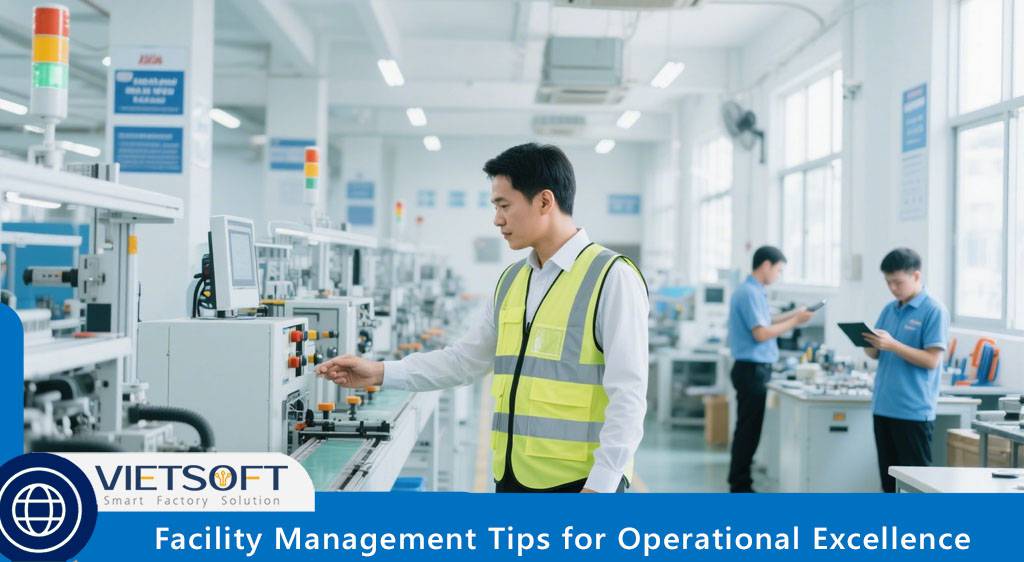
Facility management (FM) is a critical discipline that ensures the seamless operation, safety, and sustainability of buildings, infrastructure, and assets. For businesses in industries like manufacturing, logistics, and construction, effective facility management is not just a support function but a strategic driver of operational efficiency and cost savings. This comprehensive guide offers Facility Management Tips to help facility managers optimize operations, reduce costs, and prepare for future challenges in 2025.
I. What is Facility Management?
Facility management encompasses all activities required to maintain the functionality, safety, and efficiency of physical assets, buildings, and infrastructure. It involves managing everything from HVAC systems and lighting to equipment maintenance and space utilization. Facility managers act as orchestrators, ensuring that all systems work harmoniously to support the organization’s core operations.
II. The Role of Facility Management in Modern Businesses
Facility management plays a pivotal role in:
- Ensuring Operational Continuity: By maintaining critical assets, facility managers minimize downtime and keep production lines running smoothly.
- Reducing Costs: Proactive maintenance and energy-efficient practices lower operational expenses.
- Enhancing Workplace Safety: Regular inspections and compliance with regulations create a secure environment.
- Supporting Sustainability: Optimizing resource use and adopting eco-friendly practices align with modern environmental standards.
With the right Facility Management Tips, managers can transform their facilities into efficient, cost-effective, and future-ready operations.
III. Facility Management Tips to Boost Efficiency
Below are expertly curated Facility Management Tips designed to help facility managers streamline operations, reduce costs, and enhance asset longevity:
1. Implement a Robust Preventive Maintenance Plan
Preventive maintenance (PM) is the cornerstone of effective facility management. By scheduling regular inspections and maintenance tasks, facility managers can catch issues early, extend asset lifespans, and avoid costly downtime.
Key Actions for Preventive Maintenance
- Create a Maintenance Schedule: Develop a calendar for routine checks on critical assets like HVAC systems, electrical panels, and production equipment. For example, inspect HVAC filters quarterly to ensure optimal performance.
- Track Asset Lifespan: Document the age, condition, and usage of each asset to anticipate repair or replacement needs. For instance, a conveyor belt with a 10-year lifespan should be monitored closely after 8 years.
- Use Data-Driven Insights: Leverage analytics to identify patterns in equipment failures. For example, if a pump fails every 18 months, schedule maintenance every 15 months to prevent breakdowns.
Why It Works
Preventive maintenance reduces reactive repairs, which can cost up to 50% more than planned maintenance, according to industry studies. By addressing minor issues before they escalate, you save on emergency repairs and maintain production efficiency.
2. Adopt CMMS for Streamlined Operations
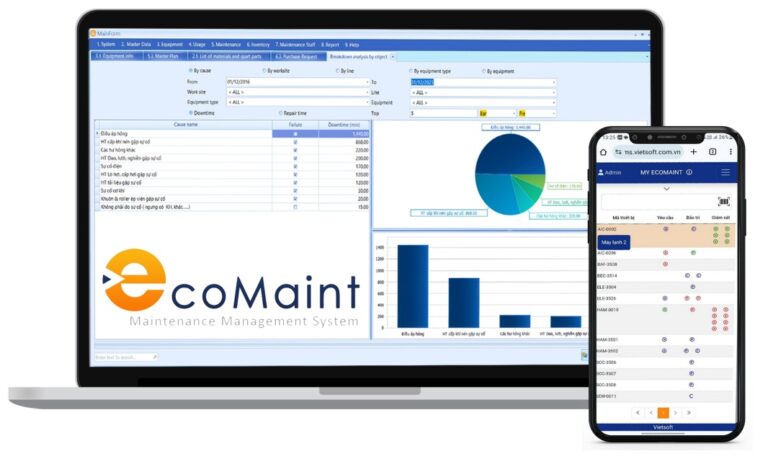
A Computerized Maintenance Management System (CMMS) like CMMS EcoMaint by Vietsoft is a game-changer for facility managers. This cloud-based software automates maintenance tasks, tracks assets, and provides real-time data to optimize operations.
Benefits of CMMS EcoMaint
- Centralized Asset Management: Store all asset data, including service history, warranty details, and maintenance schedules, in one platform.
- Automated Work Orders: Generate and assign work orders instantly, reducing manual paperwork and improving task visibility.
- Real-Time Analytics: Monitor key performance indicators (KPIs) like downtime, maintenance costs, and technician productivity to make informed decisions.
- Mobile Access: Allow technicians to access work orders and report issues via smartphones, improving response times.
Why It Works
CMMS eliminates inefficiencies associated with paper-based systems or spreadsheets. By automating workflows and providing actionable insights, it empowers facility managers to focus on strategic priorities.
3. Optimize Space Utilization
Efficient space management is a critical Facility Management Tip for reducing operational costs and enhancing workplace productivity. With hybrid work models becoming common, facility managers must rethink how space is used.
Strategies for Space Optimization
- Conduct a Space Audit: Map out your facility to identify underutilized areas. For example, convert unused office space into collaborative workstations.
- Implement Flexible Workstations: Use modular furniture to create adaptable workspaces that accommodate varying occupancy levels.
- Leverage IoT for Space Monitoring: Install sensors to track occupancy and usage patterns, helping you optimize energy consumption and space allocation.
Why It Works
Optimized space utilization reduces energy waste and maximizes the value of your facility’s footprint, leading to significant cost savings.
4. Leverage IoT and Predictive Analytics
The Internet of Things (IoT) and predictive analytics are revolutionizing facility management by enabling proactive decision-making.
How to Implement IoT and Predictive Analytics
- Install Smart Sensors: Use sensors to monitor equipment performance, temperature, and energy usage. For example, vibration sensors on motors can detect early signs of wear.
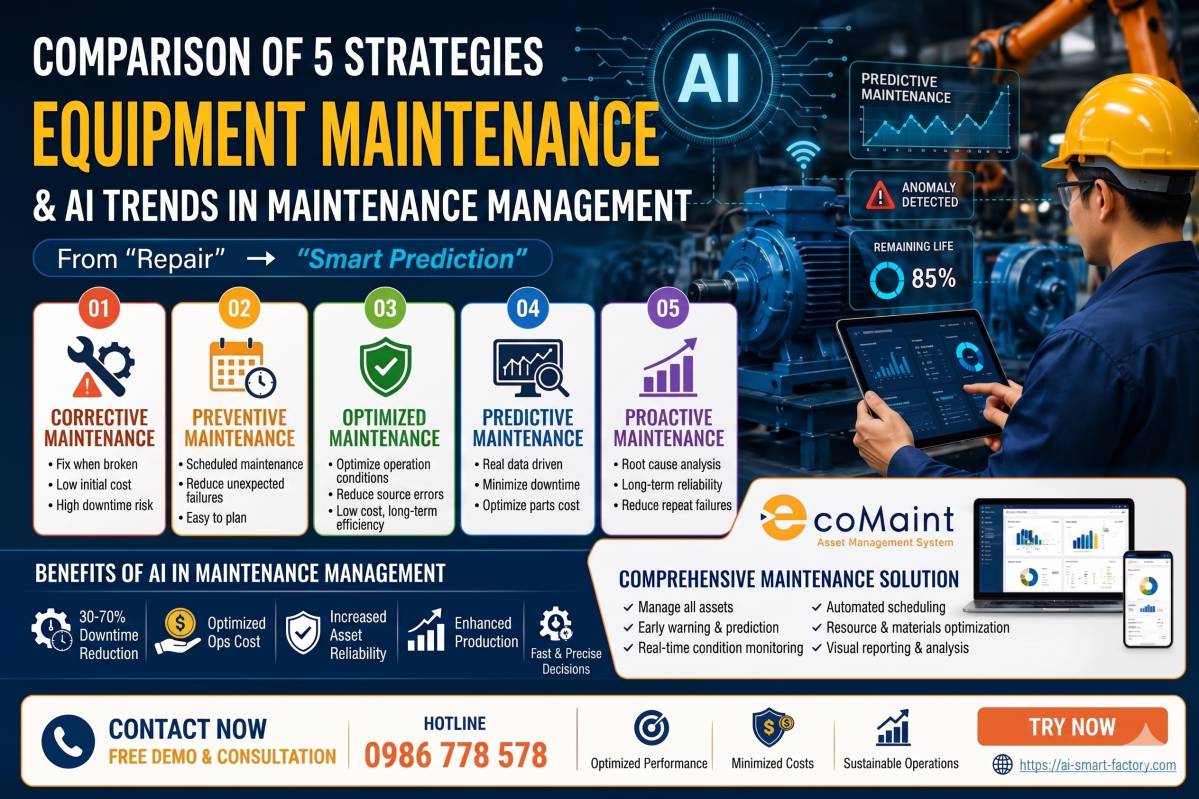
- Analyze Data for Predictions: Use predictive analytics to forecast equipment failures based on historical data and real-time inputs.
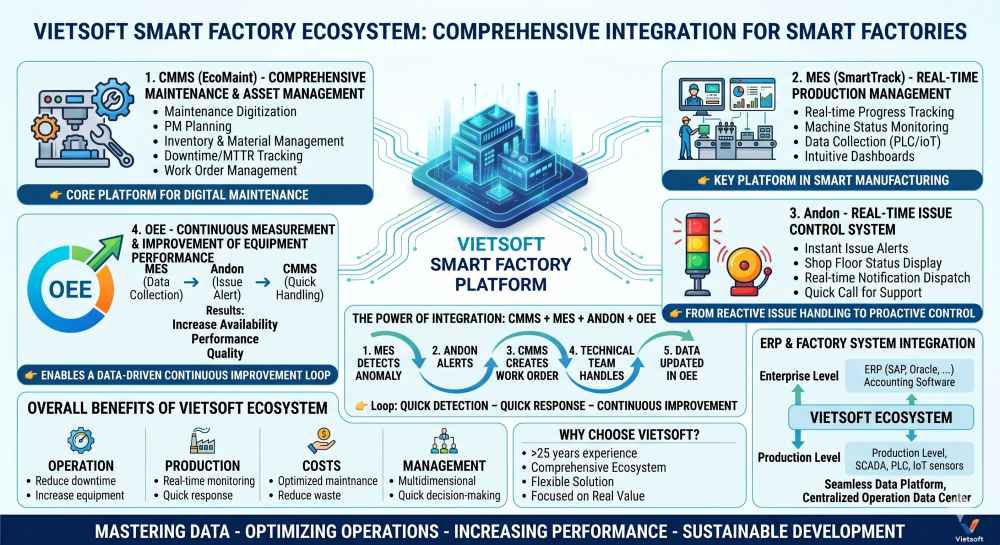
- Integrate with CMMS: Combine IoT data with CMMS EcoMaint to automate maintenance alerts and prioritize tasks.
Why It Works
IoT and predictive analytics shift facility management from reactive to proactive, reducing downtime and maintenance costs by up to 30%, according to industry reports.
5. Enhance Team Communication and Training
A well-coordinated and skilled team is essential for successful facility management. Clear communication and continuous training empower technicians to perform at their best.
Communication and Training Tips
- Use Digital Tools: Implement platforms like CMMS EcoMaint for real-time communication between teams and vendors.
- Conduct Regular Training: Offer workshops on new technologies, safety protocols, and equipment handling to keep skills sharp.
- Foster a Collaborative Culture: Encourage feedback and idea-sharing to improve processes and morale.
Why It Works
Effective communication and training reduce errors, enhance accountability, and create a motivated workforce, directly impacting operational efficiency.
6. Conduct Regular Compliance Audits
Compliance with regulations like OSHA and NFPA is non-negotiable in facility management. Regular audits ensure safety and avoid costly penalties.
Steps for Compliance Audits
- Review Regulatory Requirements: Stay updated on local and international standards affecting your facility.
- Document Compliance Data: Use CMMS EcoMaint to track maintenance records and generate compliance reports.
- Perform Walkthroughs: Conduct weekly inspections to identify potential safety hazards, such as faulty electrical systems or blocked fire exits.
Why It Works
Compliance audits mitigate risks, ensure employee safety, and protect your organization from legal and financial repercussions.
7. Focus on Energy Efficiency
Energy costs are a significant portion of facility operating budgets. Implementing energy-efficient practices is a top Facility Management Tip for cost savings.
Energy-Saving Strategies
- Upgrade to LED Lighting: Replace traditional bulbs with LEDs to reduce energy consumption by up to 50%.
- Optimize HVAC Schedules: Use programmable thermostats to adjust heating and cooling based on occupancy.
- Conduct Energy Audits: Hire professionals to identify energy waste and recommend improvements.
Why It Works
Energy-efficient practices lower operating costs and enhance your facility’s sustainability, aligning with 2025’s focus on environmental responsibility.
8. Prioritize Asset Inventory Management
Maintaining an accurate asset inventory is critical for effective facility management. Knowing the condition, location, and maintenance history of each asset streamlines operations.
Asset Inventory Best Practices
- Create a Digital Inventory: Use CMMS EcoMaint to catalog assets with details like serial numbers, purchase dates, and maintenance logs.
- Tag Assets: Implement barcode or RFID tagging for easy tracking and verification.
- Plan for Asset Replacement: Use lifecycle cost analysis to determine when to repair or replace equipment. For example, if repairing a 5-year-old machine costs 60% of a new one, replacement may be more cost-effective.
Why It Works
A well-managed asset inventory reduces downtime, prevents overstocking, and ensures resources are used efficiently.
9. Embrace a Proactive Mindset
Shifting from reactive to proactive facility management is essential for long-term success. A proactive approach anticipates issues and addresses them before they escalate.
How to Be Proactive
- Use Predictive Maintenance: Combine IoT data with CMMS analytics to predict equipment failures.
- Plan for Scalability: Design maintenance and space management strategies that accommodate future growth.
- Engage Stakeholders: Involve employees, vendors, and management in planning to align with organizational goals.
Why It Works
Proactive management minimizes disruptions, lowers costs, and positions your facility for future success.
10. Streamline Vendor and Contractor Relationships
Effective vendor management ensures timely deliveries, quality service, and cost efficiency. Strong relationships with suppliers are vital for facility operations.
Vendor Management Tips
- Negotiate Clear Contracts: Define service levels, response times, and pricing in vendor agreements.
- Use CMMS for Vendor Tracking: Log vendor performance and delivery schedules in CMMS EcoMaint to monitor reliability.
- Build Long-Term Partnerships: Foster trust with vendors to secure better terms and priority service during emergencies.
Why It Works
Strong vendor relationships reduce delays and ensure high-quality service, directly impacting operational efficiency.
11. Conduct Regular Facility Walkthroughs
Physical inspections of your facility help identify issues that automated systems might miss, such as unusual noises or minor structural damage.
Walkthrough Best Practices
- Schedule Daily Walks: Inspect key areas like mechanical rooms, roofs, and common spaces daily.
- Document Findings: Use CMMS EcoMaint to log observations and assign corrective actions.
- Engage Technicians: Involve team members in walkthroughs to train them on spotting potential issues.
Why It Works
Regular walkthroughs catch small problems early, preventing costly repairs and enhancing facility safety.
12. Utilize Data Analytics for Decision-Making
Data-driven decisions are critical for optimizing facility operations. Analytics provide insights into asset performance, maintenance costs, and operational inefficiencies.
How to Use Data Analytics
- Track KPIs: Monitor metrics like downtime, maintenance costs, and energy usage using CMMS EcoMaint.
- Identify Trends: Analyze data to pinpoint recurring issues, such as frequent failures in a specific machine.
- Optimize Resource Allocation: Use analytics to allocate budgets and staff effectively based on operational needs.
Why It Works
Data analytics provide actionable insights, enabling facility managers to make informed decisions that enhance efficiency and reduce costs.
13. Invest in Employee Skill Development
A skilled workforce is essential for maintaining complex equipment and adopting new technologies. Continuous training enhances team performance and reduces errors.
Training Strategies
- Offer Technical Workshops: Train technicians on advanced equipment and CMMS EcoMaint functionalities.
- Cross-Train Staff: Enable employees to handle multiple roles, increasing flexibility during peak workloads.
- Certify Technicians: Encourage certifications in areas like HVAC maintenance or electrical safety.
Why It Works
Skilled employees work more efficiently, reducing downtime and reliance on costly external services.
14. Implement Sustainable Design Practices
Sustainability is a growing priority in facility management. Adopting eco-friendly practices reduces costs and enhances your organization’s reputation.
Sustainable Design Tips
- Use Energy-Efficient Materials: Install insulation or windows that reduce heat loss.
- Adopt Renewable Energy: Explore solar panels or other renewable sources for partial energy needs.
- Promote Recycling: Implement waste management programs to reduce landfill contributions.
Why It Works
Sustainable practices lower energy costs and align with 2025’s emphasis on environmental responsibility.
15. Automate Routine Facility Tasks
Automation reduces manual workloads and improves efficiency for repetitive tasks like lighting control, HVAC adjustments, and work order assignments.
Automation Strategies
- Automate Lighting Systems: Use motion sensors to control lights in low-traffic areas.
- Schedule HVAC Adjustments: Program HVAC systems to operate only during occupancy hours.
- Leverage CMMS EcoMaint: Automate work order creation and maintenance reminders.
Why It Works
Automation minimizes human error and frees up staff to focus on high-priority tasks.
16. Develop a Risk Management Plan
Proactive risk management mitigates potential disruptions, from equipment failures to safety hazards.
Risk Management Steps
- Identify Risks: Assess potential risks, such as equipment breakdowns or natural disasters.
- Create Contingency Plans: Develop backup plans, like alternative suppliers or emergency repair protocols.
- Use CMMS for Risk Tracking: Log risk assessments and mitigation actions in CMMS EcoMaint for easy reference.
Why It Works
A risk management plan minimizes disruptions and ensures quick recovery from unforeseen events.
17. Enhance Occupant Experience
A comfortable and safe environment improves employee productivity and satisfaction, a key aspect of facility management.
Occupant-Focused Tips
- Address Complaints Promptly: Use CMMS EcoMaint to track and resolve occupant requests quickly.
- Improve Indoor Air Quality: Regularly maintain HVAC systems to ensure proper ventilation.
- Create Social Spaces: Design break rooms or lounges to foster employee interaction.
Why It Works
A positive occupant experience boosts morale and productivity, contributing to overall organizational success.
18. Standardize Maintenance Processes
Standardizing processes ensures consistency and efficiency across all maintenance activities.
Standardization Tips
- Create SOPs: Develop standard operating procedures (SOPs) for common maintenance tasks.
- Use CMMS for Consistency: Implement CMMS EcoMaint to enforce standardized workflows and track compliance.
- Train on SOPs: Ensure all technicians are familiar with standardized procedures.
Why It Works
Standardized processes reduce errors and ensure all team members follow best practices, improving overall efficiency.
IV. Integrating CMMS EcoMaint for Next-Level Facility Management
To achieve operational excellence, facility managers need tools that simplify complex tasks and provide actionable insights. CMMS EcoMaint by Vietsoft is a cloud-based solution designed specifically for the Vietnamese market, offering features tailored to manufacturing, logistics, and construction industries.
Why Choose CMMS EcoMaint?
- User-Friendly Interface: Minimal training required, making it accessible for teams of all skill levels.
- Scalable Solution: Suitable for small facilities and large industrial complexes alike.
- Comprehensive Features: From work order automation to predictive maintenance analytics, it covers all aspects of facility management.
- Local Support: Vietsoft’s expertise in the Vietnamese market ensures tailored support and implementation.
By integrating CMMS EcoMaint, facility managers can implement the Facility Management Tips outlined above with ease, driving efficiency and cost savings. Discover the CMMS EcoMaint solution here.
Contact us for consultation via hotline: 0986778578 or email: sales@vietsoft.com.vn.
V. Conclusion
Effective facility management is about more than just keeping the lights on—it’s about creating a safe, efficient, and sustainable environment that supports your organization’s goals. By implementing these Facility Management Tips, you can reduce costs, enhance asset longevity, and prepare your facility for the challenges of 2025 and beyond. From preventive maintenance and IoT adoption to leveraging tools like CMMS EcoMaint, these strategies empower facility managers to excel in their roles.
Take the first step toward operational excellence by exploring how CMMS EcoMaint can streamline your facility management processes. Visit Vietsoft’s website to learn more and see how this powerful tool can make a difference in your operations.