Facility management is a cornerstone of operational excellence, ensuring that buildings and their systems remain safe, functional, and efficient. A Facility Condition Assessment (FCA) Checklist is a vital tool that empowers facility managers, maintenance teams, and property owners to evaluate the health of their infrastructure systematically. By leveraging an FCA checklist, organizations can prioritize maintenance tasks, plan budgets, ensure compliance, and enhance sustainability. This guide dives deep into the concept of an FCA checklist, its components, modern trends, and actionable strategies to optimize asset management.
I. What is a Facility Condition Assessment (FCA) Checklist?
A Facility Condition Assessment (FCA) Checklist is a structured framework used to evaluate the physical condition of a facility’s assets, including structural components, mechanical systems, safety features, and more. It serves as a roadmap for identifying maintenance needs, assessing compliance with regulations, and planning for future capital investments. Unlike reactive maintenance, which addresses issues after they arise, an FCA checklist promotes proactive management by uncovering potential problems early, thus reducing costs and downtime.
The checklist is designed to be comprehensive, covering every aspect of a facility, from exterior elements like roofing and walls to interior systems like HVAC and electrical. It also integrates modern technologies such as IoT sensors and digital twins to provide real-time insights. By using an FCA checklist, facility managers can make data-driven decisions, prioritize repairs, and align maintenance strategies with organizational goals.
II. Why is an FCA Checklist Essential?
The Facility Condition Assessment (FCA) Checklist is critical for several reasons:
- Proactive Maintenance: Identifies issues before they escalate into costly repairs.
- Cost Savings: Early detection of problems reduces emergency repair expenses.
- Compliance Assurance: Ensures adherence to safety, environmental, and accessibility regulations.
- Long-Term Planning: Provides insights for budgeting and capital improvement projects.
- Sustainability Goals: Helps optimize energy efficiency and reduce environmental impact.
For example, a manufacturing plant using an FCA checklist might identify an aging HVAC system nearing the end of its useful life, allowing managers to schedule a replacement before it fails, avoiding production disruptions.
III. Key Components of a Facility Condition Assessment Checklist
A well-designed Facility Condition Assessment (FCA) Checklist covers all critical areas of a facility. Below is a detailed breakdown of the essential components, ensuring no aspect is overlooked.
1. Exterior Building Elements
The exterior of a facility is exposed to environmental stressors like rain, wind, and temperature fluctuations. Regular inspections prevent minor issues from becoming major expenses.
- Roofing System: Inspect for leaks, cracked shingles, or poor drainage. A compromised roof can lead to water damage, affecting interior systems and occupant comfort.
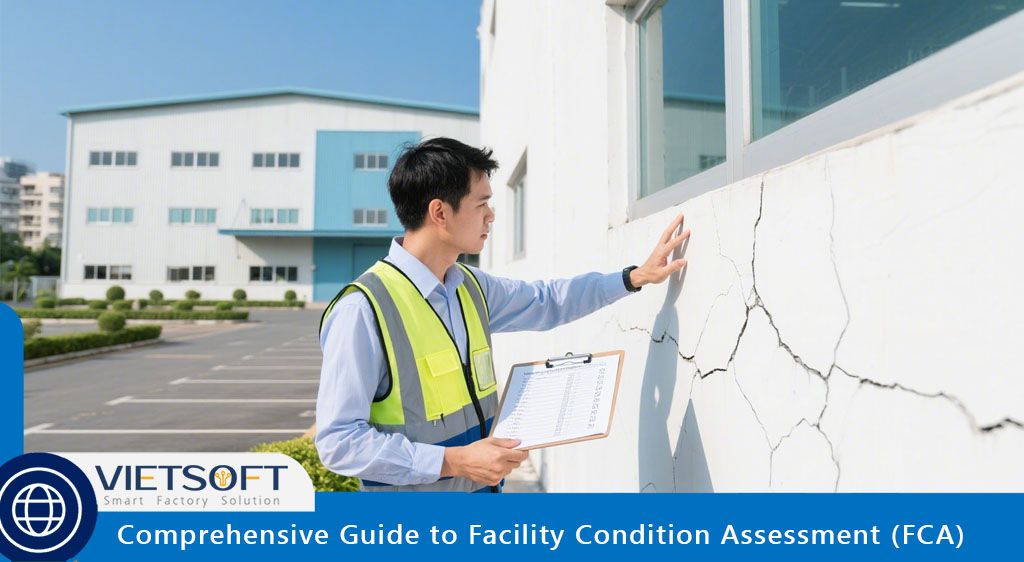
- Exterior Walls: Check for cracks, peeling paint, or mold, which can compromise insulation and structural integrity.
- Windows and Doors: Verify that seals are intact and there are no cracks or leaks. Proper sealing improves energy efficiency.
- Foundation: Look for cracks or shifts that may indicate structural issues.
- Exterior Finishes: Assess paint, siding, or stucco for wear and tear, ensuring aesthetic appeal and protection.
2. Interior Building Elements
The interior environment directly impacts occupant safety and productivity. Regular checks ensure functionality and comfort.
- Floors: Inspect for uneven surfaces, cracks, or worn coverings like carpets or tiles.
- Walls and Ceilings: Check for water stains, cracks, or sagging, which may indicate leaks or structural issues.
- Interior Finishes: Evaluate trim, molding, and other finishes for damage or wear.
- Stairs and Elevators: Ensure stairs are secure and elevators meet safety standards.
3. Structural Components
Structural integrity is the backbone of any facility. Regular assessments prevent catastrophic failures.
- Beams and Columns: Look for rust, cracks, or signs of deterioration.
- Floors and Ceilings: Check for unevenness or shifts that may signal foundational problems.
- Overall Stability: Evaluate the building for signs of instability, such as shifting walls.
4. Mechanical, Electrical, and Plumbing (MEP) Systems
MEP systems are critical for daily operations. Regular inspections ensure reliability and efficiency.
- HVAC Systems: Test for leaks, airflow issues, or inconsistent heating/cooling.
- Plumbing Systems: Check for leaks, water pressure problems, or clogged drains.
- Electrical Systems: Inspect wiring, outlets, and panels for safety and functionality.
- Fire Protection Systems: Verify that sprinklers, alarms, and extinguishers are operational.
5. Life Safety and Security
Safety systems protect occupants and ensure compliance with regulations.
- Fire Detection and Suppression: Test alarms, sprinklers, and extinguishers.
- Emergency Exits and Lighting: Ensure exits are clear and lighting is functional.
- Security Systems: Inspect cameras, alarms, and access controls for reliability.
6. Energy Efficiency and Sustainability
Energy efficiency reduces costs and supports environmental goals.
- Insulation and Windows: Check for drafts or inefficiencies.
- Lighting: Ensure the use of energy-efficient bulbs like LEDs.
- HVAC Efficiency: Regularly service systems to optimize energy use.
7. Site and Grounds
The external environment affects safety and aesthetics.
- Parking Lots: Inspect for potholes, drainage issues, or damaged curbs.
- Landscaping: Ensure trees and shrubs are maintained to prevent hazards.
- Sidewalks and Pathways: Check for cracks or tripping hazards.
8. Accessibility and Compliance
Compliance with accessibility and regulatory standards is non-negotiable.
- ADA Compliance: Verify ramps, entrances, and elevators meet standards.
- Environmental Regulations: Check for hazardous materials like asbestos or lead paint.
- Building Codes: Ensure compliance with local regulations.
9. Technology and Communication Systems
Modern facilities rely on robust technology infrastructure.
- IT Infrastructure: Test networks and servers for performance.
- Communication Systems: Verify phone lines and internet connections.
10. Maintenance and Documentation
Proper record-keeping supports ongoing maintenance efforts.
- Maintenance Logs: Track repairs and inspections.
- As-Built Drawings: Maintain updated building plans.
- Warranties: Keep equipment manuals and warranties accessible.
IV. Calculating the Facility Condition Index (FCI)
The Facility Condition Index (FCI) is a key metric used in FCAs to quantify a facility’s condition. It compares the cost of necessary repairs to the total replacement value of the building.
1. FCI Formula:
FCI (%) = (Total Cost of Repairs / Total Replacement Value) × 100
Example:
If a facility requires $1.5 million in repairs and its replacement value is $10 million:
FCI = (1.5M / 10M) × 100 = 15%
2. FCI Interpretation:
- 0–5%: Excellent condition, minimal maintenance needed.
- 5–10%: Good condition, proactive upkeep recommended.
- 10–30%: Fair condition, prioritize repairs.
- 30%+: Poor condition, consider major refurbishment or replacement.
The FCI provides a clear benchmark for comparing facilities and prioritizing investments.
V. Modern Trends in Facility Condition Assessments
The integration of technology has transformed how FCAs are conducted, making them more efficient and data-driven.
1. Digital Twins and BIM Integration
Digital twins create virtual replicas of physical assets, enabling real-time monitoring and predictive maintenance. Building Information Modeling (BIM) enhances this by providing detailed visualizations of asset conditions, improving planning accuracy.
2. AI and Predictive Analytics
AI analyzes FCA data to predict potential failures, allowing managers to address issues before they escalate. For instance, AI can detect patterns in HVAC performance, recommending maintenance before a breakdown occurs.
3. IoT Sensors for Continuous Monitoring
IoT sensors monitor conditions like temperature, humidity, and equipment performance in real time. This reduces the need for manual inspections and provides ongoing insights into asset health.
4. Mobile Inspection Apps
Mobile apps streamline data collection, allowing facility managers to capture photos, notes, and checklists on the go. These apps integrate with CMMS platforms for seamless reporting.
5. Sustainability Metrics
Modern FCAs include energy usage and carbon footprint assessments, aligning with global sustainability goals. For example, upgrading to LED lighting can significantly reduce energy costs.
VI. How to Conduct an Effective Facility Condition Assessment
A structured approach ensures a thorough and actionable FCA. Follow these six steps:
1. Step 1: Define the Scope
Identify the goals of the assessment, such as capital planning or compliance. Engage stakeholders like finance teams and maintenance staff to align on objectives.
2. Step 2: Gather Pre-Inspection Data
Collect maintenance logs, as-built drawings, and equipment manuals. Review historical data to identify recurring issues.
3. Step 3: Conduct Inspections
Use standardized templates and mobile tools to document findings. Include photos, videos, and detailed notes for accuracy.
4. Step 4: Evaluate System Performance
Test critical systems like HVAC, electrical, and plumbing. Use diagnostic tools or third-party experts for precision.
5. Step 5: Analyze and Prioritize
Score assets based on condition, risk, and urgency. Use tools like the FCI to prioritize repairs.
6. Step 6: Create a Roadmap
Develop a phased plan for repairs, replacements, and capital improvements. Integrate findings into your CMMS for ongoing tracking.
VII. Leveraging CMMS EcoMaint for FCA Success
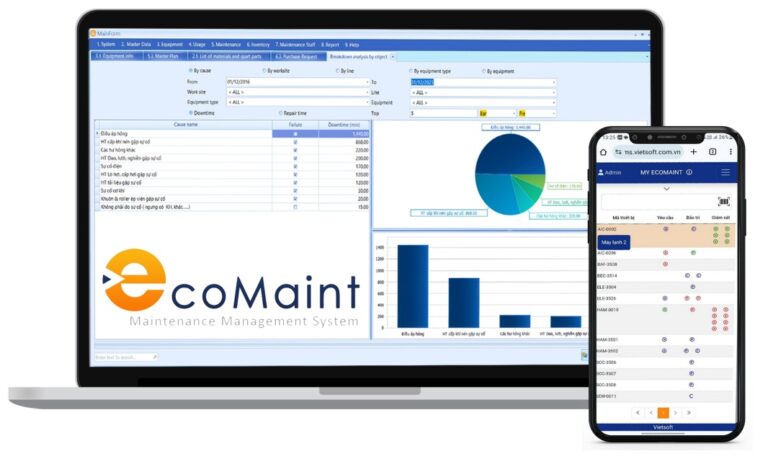
Implementing a Facility Condition Assessment (FCA) Checklist is significantly enhanced by using a robust Computerized Maintenance Management System (CMMS) like EcoMaint from Vietsoft. This software streamlines the FCA process by:
- Automating Inspections: Schedule and track inspections, ensuring no asset is overlooked.
- Real-Time Data Integration: Sync IoT sensor data and digital twin models for continuous monitoring.
- Prioritization and Reporting: Generate FCI reports and prioritize tasks based on urgency and budget.
- Sustainability Tracking: Monitor energy usage and recommend eco-friendly upgrades.
EcoMaint transforms FCAs from static reports into dynamic, data-driven strategies. Curious about how EcoMaint can revolutionize your facility management? Discover the CMMS EcoMaint solution here.
Contact us for consultation via hotline: 0986778578 or email: sales@vietsoft.com.vn.
VIII. Industry-Specific Applications of FCA Checklists
FCAs are tailored to meet the unique needs of different sectors:
- Education: Schools assess classrooms, HVAC systems, and accessibility features to ensure safe learning environments.
- Healthcare: Hospitals evaluate patient areas, backup power, and infection-control systems for compliance and safety.
- Commercial Real Estate: Offices and malls prioritize tenant satisfaction by assessing elevators, parking lots, and fire safety systems.
- Manufacturing: Plants focus on equipment reliability and structural integrity to minimize production downtime.
IX. How Often Should You Perform an FCA?
The frequency of FCAs depends on the facility’s age, usage, and risk profile:
- New Facilities (0–10 years): Every 7–10 years.
- Older Facilities (50+ years): Every 3–5 years.
- High-Traffic Facilities: Annual or biennial assessments for schools, hospitals, or airports.
- Low-Occupancy Facilities: Every 5–7 years for warehouses.
Interim assessments may be triggered by changes in regulations, occupancy, or major renovations.
X. Benefits of Regular FCAs
- Cost Reduction: Preventive maintenance minimizes emergency repair costs.
- Enhanced Safety: Ensures compliance with safety and accessibility standards.
- Improved Decision-Making: Data-driven insights guide budget and capital planning.
- Sustainability: Identifies opportunities for energy-efficient upgrades.
XI. Conclusion
A Facility Condition Assessment (FCA) Checklist is an indispensable tool for modern facility management. By systematically evaluating assets, prioritizing maintenance, and leveraging technologies like IoT and CMMS, organizations can ensure their facilities remain safe, efficient, and compliant. Tools like EcoMaint from Vietsoft enhance this process, offering automated workflows and real-time insights to transform FCAs into strategic assets.