In today’s rapidly evolving industrial landscape, effective facilities management is critical for maintaining operational efficiency, reducing costs, and ensuring seamless production processes. Cloud Facilities Management Software has emerged as a transformative solution, revolutionizing how businesses manage their assets, maintenance schedules, and operational workflows. By leveraging the power of cloud computing, this technology offers unmatched flexibility, scalability, and real-time insights that traditional on-premise systems struggle to match. This article explores the concept of Cloud Facilities Management Software, its key advantages, and practical insights for maintenance professionals.
I. What is Cloud Facilities Management Software?
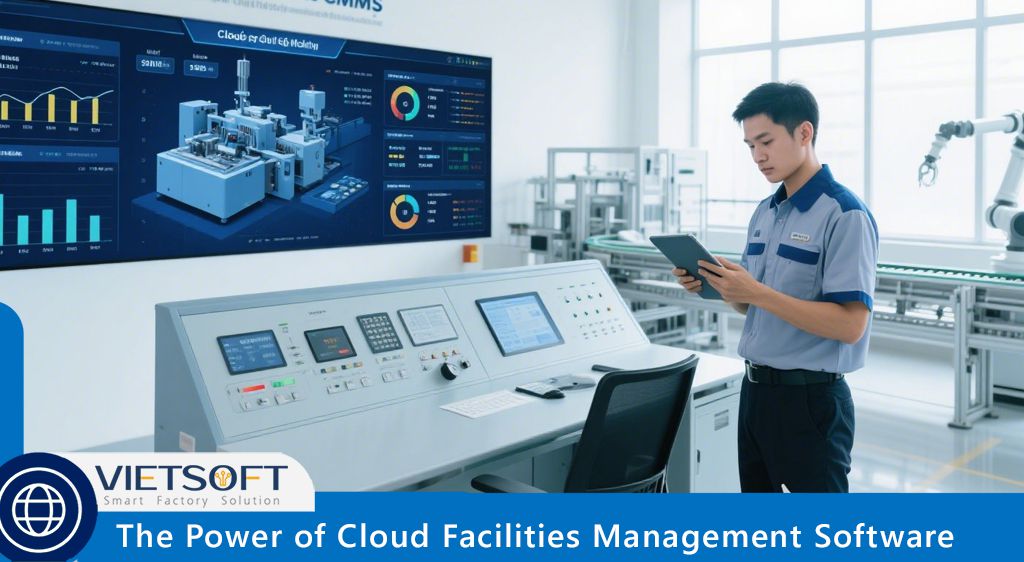
Cloud Facilities Management Software is a Software-as-a-Service (SaaS) platform designed to streamline the management of facilities, assets, and maintenance operations through cloud-based infrastructure. Unlike traditional premise-based systems that rely on local servers and manual processes, cloud-based solutions store data and applications on remote servers, accessible via the internet. This allows facility managers, maintenance technicians, and operational teams to monitor and control critical functions—such as preventive maintenance, asset tracking, space management, and energy monitoring—from any device, anywhere, at any time.
The software integrates advanced technologies like the Internet of Things (IoT), predictive analytics, and real-time data processing to provide actionable insights. For example, sensors embedded in machinery can feed live data to the cloud, enabling managers to predict equipment failures before they occur. This shift from reactive to proactive maintenance is a game-changer for industries ranging from manufacturing to real estate.
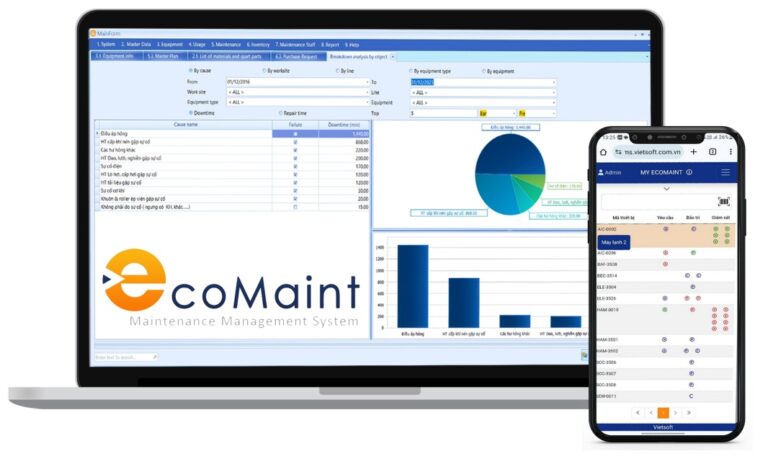
By adopting Cloud Facilities Management Software, businesses can centralize their operations, reduce reliance on physical infrastructure, and enhance collaboration across teams. Solutions like CMMS EcoMaint, developed by Vietsoft, exemplify this technology, offering tailored features for the Vietnamese market while aligning with global standards for efficiency and scalability.
II. Key Advantages of Cloud Facilities Management Software
The adoption of Cloud Facilities Management Software brings a host of benefits that address the challenges faced by maintenance professionals and facility managers. Below, we explore these advantages in detail, highlighting their practical applications and impact on industrial operations.
1. Seamless Accessibility from Any Location
One of the standout features of Cloud Facilities Management Software is its accessibility. Because the software operates in the cloud, users can access critical data and tools from any internet-connected device, whether they’re on the factory floor, in a remote office, or managing multiple sites across different regions.
- Practical Application: A maintenance technician in Ho Chi Minh City can check the status of a production line in Hanoi while on the go, using a smartphone or tablet. Similarly, a facility manager overseeing multiple factories can pull real-time occupancy or equipment data from a centralized dashboard, ensuring informed decision-making without delays.
- Impact: This eliminates the need for physical presence at a specific location, reducing travel costs and enabling faster responses to operational issues. Real-time access also minimizes reliance on outdated spreadsheets or paper-based records, which often lead to errors or delays.
2. Device-Agnostic Functionality
Cloud Facilities Management Software is designed to work seamlessly across various devices and operating systems, including Windows, macOS, iOS, and Android. This device-agnostic approach ensures that users experience consistent functionality, regardless of the hardware they use.
- Practical Application: A maintenance team can plan a preventive maintenance schedule on a desktop computer, assign tasks via a mobile app, and review performance metrics on a tablet during a site inspection. The software’s compatibility ensures no loss of functionality across devices.
- Impact: This flexibility enhances productivity by allowing teams to work with their preferred devices, reducing the learning curve and ensuring smooth workflows. It also supports hybrid work environments, where employees may switch between office and remote settings.
3. Enhanced Security for Sensitive Data
Data security is a top concern for businesses, especially when managing sensitive operational data. Cloud Facilities Management Software providers invest heavily in robust security measures, such as SOC 2 compliance, encryption, and multi-factor authentication, to protect against cyber threats.
- Practical Application: For example, a manufacturing plant using cloud software can ensure that equipment performance data, maintenance logs, and financial records are encrypted and accessible only to authorized personnel. If a hacking attempt is detected, the system can automatically flag suspicious activity and block unauthorized access.
- Impact: These measures reduce the risk of data breaches, which could otherwise expose critical business information. Compared to on-premise systems, where a single compromised server could lead to significant data loss, cloud solutions offer layered protection and regular backups, ensuring data integrity.
4. Flexible Tiered Permissions
Not all employees need access to the same data. Cloud Facilities Management Software allows administrators to set tiered permissions, ensuring that sensitive information is shared only with those who need it.
- Practical Application: A maintenance supervisor might have access to detailed equipment repair histories, while a department head only sees high-level performance reports. Administrators can instantly update permissions to accommodate new hires or role changes.
- Impact: This structured access enhances data privacy, reduces the risk of mismanagement, and ensures compliance with internal policies. It also streamlines workflows by keeping information relevant to each user’s role.
5. Always-On, Always-Updated Systems
Unlike traditional software that requires manual updates and maintenance, Cloud Facilities Management Software is always on and automatically updated by the provider. This ensures users always have access to the latest features and security patches.
- Practical Application: A factory using cloud software can instantly benefit from new features, such as predictive maintenance algorithms, without needing to install updates or restart systems. Data changes, like updating a maintenance schedule, are saved in real-time, eliminating the risk of losing work due to outages.
- Impact: The always-on nature reduces downtime and ensures that teams are working with the most current data, improving operational efficiency and decision-making accuracy.
6. Real-Time Collaboration Across Teams
Collaboration is critical in facilities management, where multiple departments—maintenance, IT, finance, and operations—must work together. Cloud Facilities Management Software enables real-time collaboration by allowing teams to share updates, documents, and insights instantly.
- Practical Application: During a factory relocation, maintenance teams can collaborate with logistics and IT departments through the cloud platform, sharing floor plans, equipment statuses, and task assignments in real time. Each user’s contributions are clearly tracked, ensuring accountability.
- Impact: This fosters better communication, reduces misalignments, and accelerates project timelines. It also supports global operations, where teams in different time zones can work together seamlessly.
7. Significant Cost Savings
Cloud Facilities Management Software eliminates the need for expensive on-premise servers, licensing fees, and ongoing maintenance costs associated with traditional systems. Its subscription-based model offers predictable budgeting and lower upfront costs.
- Practical Application: A small manufacturing firm can adopt a cloud-based CMMS like EcoMaint for a modest monthly fee, avoiding the high costs of purchasing and maintaining servers. Additionally, the software’s analytics can identify inefficiencies, such as excessive energy use, leading to further savings.
- Impact: For small and medium-sized enterprises (SMEs), this cost-effective model makes advanced facilities management accessible. The ROI is further enhanced by reducing equipment downtime and optimizing resource allocation.
8. Disaster Recovery and Data Protection
Cloud-based systems provide robust disaster recovery mechanisms, ensuring that data is safe even in the event of hardware failures, power outages, or natural disasters.
- Practical Application: If a factory experiences a server crash, all maintenance records and operational data remain secure in the cloud, accessible from another device. Regular backups ensure that no data is lost, even during catastrophic events.
- Impact: This minimizes operational disruptions and provides peace of mind, particularly for industries where downtime can result in significant financial losses.
9. Seamless Integration with Modern Technologies
Cloud Facilities Management Software supports integration with IoT devices, AI-powered analytics, and other smart technologies, enabling businesses to create intelligent, interconnected facilities.
- Practical Application: A factory can integrate IoT sensors with the cloud platform to monitor equipment performance in real time. For example, if a motor shows signs of overheating, the software can trigger an alert and schedule maintenance automatically.
- Impact: These integrations enhance automation, reduce manual workloads, and enable predictive maintenance, which can extend equipment lifespan and prevent costly breakdowns.
10. Scalability for Growing Businesses
As businesses expand, their facilities management needs evolve. Cloud Facilities Management Software is inherently scalable, allowing organizations to add new assets, users, or locations without significant infrastructure changes.
- Practical Application: A manufacturing company opening a new plant can easily integrate it into the existing cloud platform, adding new equipment and maintenance schedules without disrupting operations.
- Impact: This scalability supports business growth, ensuring that the software remains relevant and effective as the organization evolves.
III. Best Practices for Implementing Cloud Facilities Management Software
To maximize the benefits of Cloud Facilities Management Software, maintenance professionals should follow these best practices:
1. Conduct a Needs Assessment: Evaluate current processes to identify pain points, such as frequent equipment failures or inefficient workflows, and determine how cloud solutions can address them.
2. Select a Reliable Provider: Choose a provider with a proven track record, robust security measures, and excellent customer support. Vietsoft’s CMMS EcoMaint, for example, offers tailored solutions for Vietnamese businesses, combining global standards with local expertise.
3. Ensure Seamless Integration: Verify that the software integrates with existing tools, such as ERP systems or IoT devices, to maintain operational continuity.
4. Train Your Team: Provide comprehensive training to ensure all users are proficient with the software, reducing resistance to change and maximizing adoption.
5. Monitor and Optimize: Regularly review system performance and gather user feedback to identify areas for improvement, ensuring the software continues to meet evolving needs.
6. Prioritize Security: Work with the provider to implement additional security measures, such as multi-factor authentication, to protect sensitive data.
IV. Why Choose CMMS EcoMaint for Cloud-Based Facilities Management?
For businesses in Vietnam seeking a robust Cloud Facilities Management Software, Vietsoft’s CMMS EcoMaint stands out as a leading solution. Designed with the needs of modern industries in mind, EcoMaint offers a user-friendly interface, real-time data access, and powerful analytics to optimize maintenance and operational efficiency. Whether you’re managing a single facility or a network of plants, EcoMaint’s cloud-based platform ensures seamless scalability, cost savings, and enhanced collaboration.
Curious about how CMMS EcoMaint can transform your facilities management? Discover the CMMS EcoMaint solution here.
Contact us for consultation via hotline: 0986778578 or email: sales@vietsoft.com.vn.
V. Addressing Challenges of Cloud-Based Solutions
While Cloud Facilities Management Software offers numerous benefits, it’s important to address potential challenges:
- Data Security Concerns: Ensure the provider complies with industry standards like SOC 2 and offers robust encryption. Regular audits and clear data ownership policies can mitigate risks.
- Integration Complexity: Plan integrations carefully, working with the provider to ensure compatibility with existing systems.
- Internet Dependency: Invest in reliable internet connectivity to ensure uninterrupted access to the software.
- User Adoption: Address resistance to change through comprehensive training and clear communication about the software’s benefits.
VI. The Future of Cloud Facilities Management
The future of facilities management lies in the continued evolution of Cloud Facilities Management Software. Emerging technologies like 5G, AI-powered predictive maintenance, and augmented reality (AR) for remote troubleshooting will further enhance the capabilities of these platforms. For example, AR could allow technicians to visualize equipment issues in real time, guided by cloud-based data, while 5G ensures faster data transmission for real-time monitoring.
As industries in Vietnam and beyond embrace digital transformation, Cloud Facilities Management Software will become a cornerstone of operational efficiency, enabling businesses to stay competitive in a dynamic global market.
VII. Conclusion
Cloud Facilities Management Software is revolutionizing how businesses manage their facilities, offering unmatched flexibility, cost savings, and real-time insights. By adopting solutions like Vietsoft’s CMMS EcoMaint, companies can streamline maintenance processes, enhance collaboration, and prepare for future growth. For maintenance professionals and facility managers, the shift to cloud-based systems is not just a technological upgrade—it’s a strategic move toward operational excellence.
Ready to take your facilities management to the next level? Visit Vietsoft’s CMMS EcoMaint to learn how this powerful cloud-based solution can drive efficiency and ROI for your business.