
Field Maintenance (FM) is a critical aspect of industrial operations, ensuring that equipment, machinery, and assets function optimally at their operational sites. Unlike maintenance performed in controlled environments like workshops, Field Maintenance involves on-site tasks, often in challenging conditions, to keep assets running smoothly. This guide explores the concept of Field Maintenance, its importance, key components, and actionable strategies to improve efficiency.
I. Understanding Field Maintenance (FM): Definition and Scope
Field Maintenance (FM) refers to the execution of maintenance tasks, inspections, repairs, and fault resolutions directly at the location of assets, such as factories, construction sites, or remote facilities. It encompasses planned maintenance schedules, emergency repairs, and the integration of performance data into reliability reports. FM is vital for industries like manufacturing, energy, construction, and logistics, where downtime can lead to significant financial losses.
Field Maintenance includes:
- Implementing Maintenance Schedules: Conducting routine checks and preventive tasks to avoid unexpected failures.
- Fault Detection and Resolution: Identifying and fixing issues discovered during inspections or reported by operators.
- Repair Verification: Confirming that repairs restore equipment to optimal performance based on maintenance reports.
- Data Integration: Updating reliability metrics and fault details in FM reports to enhance future maintenance strategies.
With over 20 million field technicians globally, FM is a cornerstone of asset management, ensuring operational continuity and extending equipment lifespan.
II. Why Field Maintenance Matters in Industrial Operations
Field Maintenance is essential for maintaining productivity, safety, and cost-efficiency in industrial settings. Here’s why it’s critical:
- Minimizes Downtime: On-site repairs reduce the time assets are offline, preventing production halts.
- Enhances Safety: Regular maintenance prevents equipment failures that could endanger workers.
- Improves Asset Longevity: Proactive FM extends the life of machinery, reducing capital expenditure.
- Supports Compliance: Ensures equipment meets regulatory standards, avoiding fines and legal issues.
For example, in a Vietnamese manufacturing plant, a single hour of downtime can cost thousands of dollars. By prioritizing Field Maintenance, companies can achieve operational excellence and maintain a competitive edge.
III. Key Components of Effective Field Maintenance
To execute Field Maintenance successfully, organizations must focus on several core elements. These components ensure that FM is efficient, reliable, and aligned with business goals.
1. Standardized Workflows and Procedures
Standardizing maintenance processes is the foundation of effective FM. Clear workflows reduce variability, improve technician efficiency, and minimize errors. Benefits include:
- Increased productivity through streamlined tasks.
- Enhanced clarity for technicians, reducing confusion.
- Improved quality of repairs and maintenance.
- Higher employee satisfaction due to predictable processes.
For instance, a standardized workflow for inspecting a conveyor belt might include steps like visual checks, lubrication, and alignment verification, ensuring consistency across technicians.
2. Access to Manufacturer Manuals and Documentation
Technicians often work with diverse equipment, each with unique maintenance requirements. Providing access to manufacturer manuals—digitally or physically—is crucial. Studies indicate that manuals are unavailable to field workers nearly 50% of the time, leading to delays and errors.
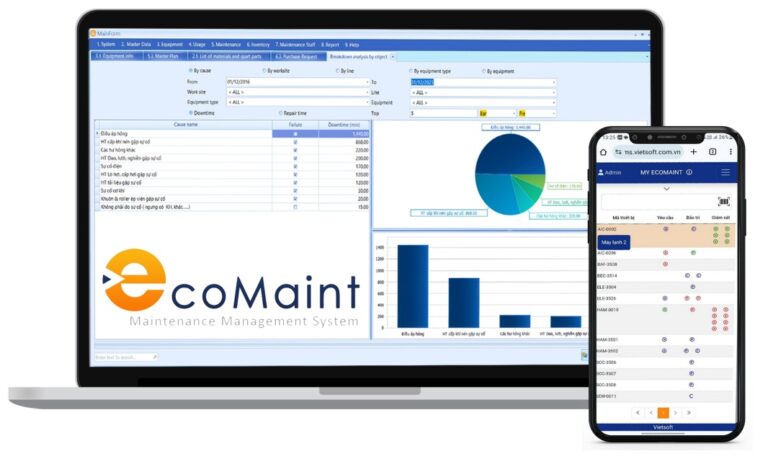
A robust CMMS like EcoMaint allows technicians to access manuals 24/7 via mobile devices, ensuring they have the information needed to perform tasks correctly. Uploading manuals as PDFs or images to the CMMS ensures accessibility, even in remote locations.
3. Real-Time Communication and Collaboration
Effective FM relies on seamless communication between field technicians, office staff, and other stakeholders. Collaboration tools enable technicians to share updates, photos, and files instantly, reducing delays and improving decision-making.
For example, a technician repairing a hydraulic pump can send photos of a leak to the office, where engineers can provide immediate guidance. Cloud-based CMMS platforms like EcoMaint facilitate this by offering in-app chat, file sharing, and task tracking.
4. Rapid Response Time
Response time is a critical metric in Field Maintenance. Delays in dispatching technicians or addressing faults can escalate minor issues into major failures. Using a CMMS, managers can assign tasks based on technician location, skills, and availability, optimizing response times.
For instance, if a packaging machine fails in a factory, a CMMS can identify the nearest available technician with expertise in that equipment, ensuring quick resolution. Real-time updates in the CMMS further enhance responsiveness by tracking task completion.
5. Data-Driven Maintenance Strategies
Field Maintenance is most effective when informed by data. Collecting and analyzing performance metrics—such as Mean Time to Repair (MTTR) and equipment downtime—enables organizations to refine their maintenance strategies. FM reports integrate fault details, repair outcomes, and reliability figures to guide future actions.
For example, if a motor frequently overheats, FM data might reveal the need for more frequent lubrication or a design flaw, prompting proactive adjustments.
IV. How to Improve Field Maintenance: 7 Proven Strategies
Improving Field Maintenance requires a combination of process optimization, technology adoption, and workforce empowerment. Below are seven strategies to enhance FM efficiency, tailored to the needs of Vietnamese industries and beyond.
1. Adopt a Preventive Maintenance Approach
Preventive Maintenance (PM) involves scheduling regular inspections and tasks to prevent failures before they occur. By addressing potential issues early, PM reduces emergency repairs and downtime. For example, lubricating bearings every 500 operating hours can prevent costly breakdowns.
To implement PM effectively:
- Identify critical assets and their maintenance needs.
- Create a PM schedule based on manufacturer recommendations and usage patterns.
- Use a CMMS to automate reminders and track compliance.
2. Leverage Predictive Maintenance Technologies
Predictive Maintenance (PdM) uses sensors, IoT devices, and data analytics to predict equipment failures. By monitoring parameters like vibration, temperature, or pressure, PdM identifies anomalies before they cause downtime.
For instance, a Vietnamese textile factory might use vibration sensors on looms to detect misalignment, scheduling repairs before a breakdown occurs. Integrating PdM data with a CMMS like EcoMaint enhances decision-making and resource allocation.
3. Invest in Technician Training and Skill Development
Skilled technicians are the backbone of Field Maintenance. Regular training ensures they stay updated on equipment, tools, and technologies. Training programs should cover:
- Equipment-specific maintenance procedures.
- Safety protocols for on-site work.
- Use of CMMS software for task management and reporting.
For example, training technicians to use EcoMaint’s mobile app can improve their ability to log tasks, access manuals, and collaborate, boosting overall FM performance.
4. Optimize Inventory Management
Field Maintenance often requires immediate access to spare parts and tools. Poor inventory management can delay repairs, increasing downtime. To optimize:
- Maintain a centralized inventory database within the CMMS.
- Track usage patterns to ensure critical parts are always in stock.
- Implement just-in-time procurement for less frequently used items.
For instance, keeping a stock of common motor bearings in a Vietnamese factory’s inventory, tracked via EcoMaint, ensures quick repairs.
5. Enhance Mobile Accessibility for Field Teams
Technicians need access to maintenance tools and data on the go. Mobile-first CMMS platforms like EcoMaint allow workers to:
- View work orders, checklists, and manuals on smartphones.
- Update task statuses in real time.
- Capture photos or videos to document issues.
This mobility ensures that Field Maintenance is efficient, even in remote or hazardous environments like oil rigs or construction sites.
6. Monitor and Reduce Key Performance Indicators (KPIs)
Tracking KPIs like MTTR, Mean Time Between Failures (MTBF), and downtime provides insights into FM performance. For example:
- MTTR Formula: Total Repair Time ÷ Total Number of Repairs
- If a factory spends 10 hours on 5 incidents, MTTR is 2 hours (10 ÷ 5 = 2).
- MTBF Formula: Total Operational Time ÷ Total Number of Failures
- If equipment runs for 1,000 hours with 4 failures, MTBF is 250 hours (1,000 ÷ 4 = 250).
By monitoring these metrics in a CMMS, managers can identify trends and implement corrective actions, such as adjusting maintenance schedules or upgrading equipment.
7. Integrate CMMS for Holistic Field Maintenance Management
A Computerized Maintenance Management System (CMMS) is indispensable for modern Field Maintenance. It streamlines workflows, tracks assets, and provides data for informed decisions. EcoMaint, developed by VietSoft, is a comprehensive CMMS designed for Vietnamese industries, offering features like:
- Work Order Management: Create, assign, and track maintenance tasks.
- Asset Tracking: Monitor equipment performance and maintenance history.
- Inventory Control: Manage spare parts and tools.
- Mobile Access: Empower technicians with real-time data in the field.
- Reporting: Generate detailed FM reports for strategic planning.
V. Challenges in Field Maintenance and How to Overcome Them
Field Maintenance comes with challenges that can hinder efficiency. Here’s how to address common issues:
- Limited Access to Information: Technicians may lack manuals or historical data. Solution: Use a CMMS to centralize documentation.
- Poor Communication: Misaligned teams can delay repairs. Solution: Implement collaboration tools within the CMMS.
- Unpredictable Downtime: Unexpected failures disrupt operations. Solution: Adopt predictive maintenance to anticipate issues.
- Inventory Shortages: Missing parts delay repairs. Solution: Optimize inventory with CMMS tracking.
- Skill Gaps: Technicians may lack expertise for new equipment. Solution: Provide ongoing training.
By proactively addressing these challenges, organizations can ensure Field Maintenance operations run smoothly.
VI. The Role of Field Maintenance in Vietnam’s Industrial Growth
Vietnam’s industrial sector is booming, with manufacturing, logistics, and energy sectors driving economic growth. Field Maintenance plays a pivotal role by:
- Supporting high productivity in factories and warehouses.
- Ensuring reliable energy production in power plants and renewable energy facilities.
- Enabling construction projects to meet deadlines through well-maintained equipment.
- Enhancing export capabilities by maintaining quality standards.
For instance, a Vietnamese electronics manufacturer using EcoMaint for FM can reduce equipment downtime, ensuring timely delivery of products to global markets.
VII. Conclusion: Elevate Your Field Maintenance with EcoMaint
Field Maintenance (FM) is more than just fixing equipment—it’s about ensuring operational excellence, safety, and cost-efficiency. By standardizing workflows, leveraging technology, and empowering technicians, organizations can transform their FM practices. A powerful CMMS like EcoMaint by VietSoft is the key to unlocking these benefits, offering tools to streamline tasks, enhance collaboration, and drive data-driven decisions.
Ready to revolutionize your Field Maintenance? Discover CMMS EcoMaint here. Contact us via hotline: 0986778578 or email: sales@vietsoft.com.vn.
Take the first step toward smarter, more efficient operations today.